Namibia
Sossusvlei, starfields & ancient desert life
Namibia is Africa's most otherworldly destination: a country of vast silence, burnt-orange dunes, and skies so unpolluted they were designated the world's first Dark Sky Reserve. The Sossusvlei dunes of the Namib Desert, the world's oldest desert, are among the most photographed landscapes on Earth.
All Namibia ToursAbout Namibia
Namibia is Africa's most otherworldly destination: a country of vast silence, burnt-orange dunes, and skies so unpolluted they were designated the world's first Dark Sky Reserve. The Sossusvlei dunes of the Namib Desert, the world's oldest desert, are among the most photographed landscapes on Earth. Damaraland shelters desert-adapted elephant and rhino, tracked on foot across ancient volcanic terrain. The Skeleton Coast is one of the most remote and dramatic wildernesses anywhere, while Etosha National Park offers exceptional game viewing around vast salt pan waterholes. Namibia is a self-drive paradise but also delivers extraordinary fly-in lodge experiences. For those who want to see an Africa that feels entirely untouched, Namibia is unmissable.
Parks & Regions
Sossusvlei & the Namib Desert
Namibia
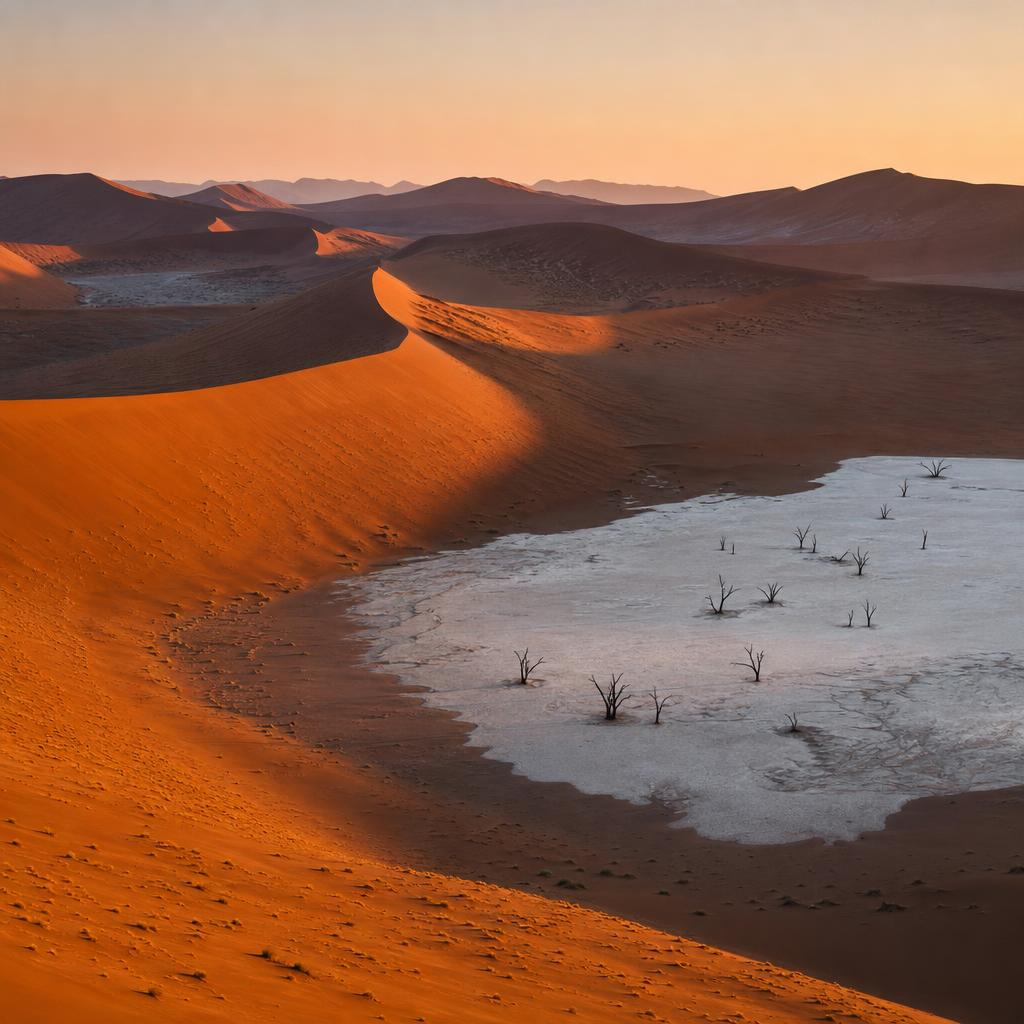
Sossusvlei, in the heart of the Namib-Naukluft National Park, is one of the world's most extraordinary landscapes: a clay pan surrounded by towering orange and red dunes, some rising over 300 metres, making them among the highest sand dunes on Earth. Deadvlei, a ghostly white pan studded with 900-year-old dead camel thorn trees and framed by rust-red dunes, is one of Africa's most photographed scenes. The dunes are best experienced at sunrise, when the play of light and shadow transforms the landscape into a painter's palette of amber, ochre, and crimson. Access is through Sesriem Canyon, itself a dramatic geological feature. Sossusvlei is the defining image of Namibia and an unmissable centrepiece of any Namibia itinerary.
10-Day Namibia Guided Safari: Sossusvlei, Swakopmund, Damaraland & Etosha
12-Day Namibia Grand Safari: Skeleton Coast, Damaraland & Etosha
Damaraland & the Desert Rhino
Namibia
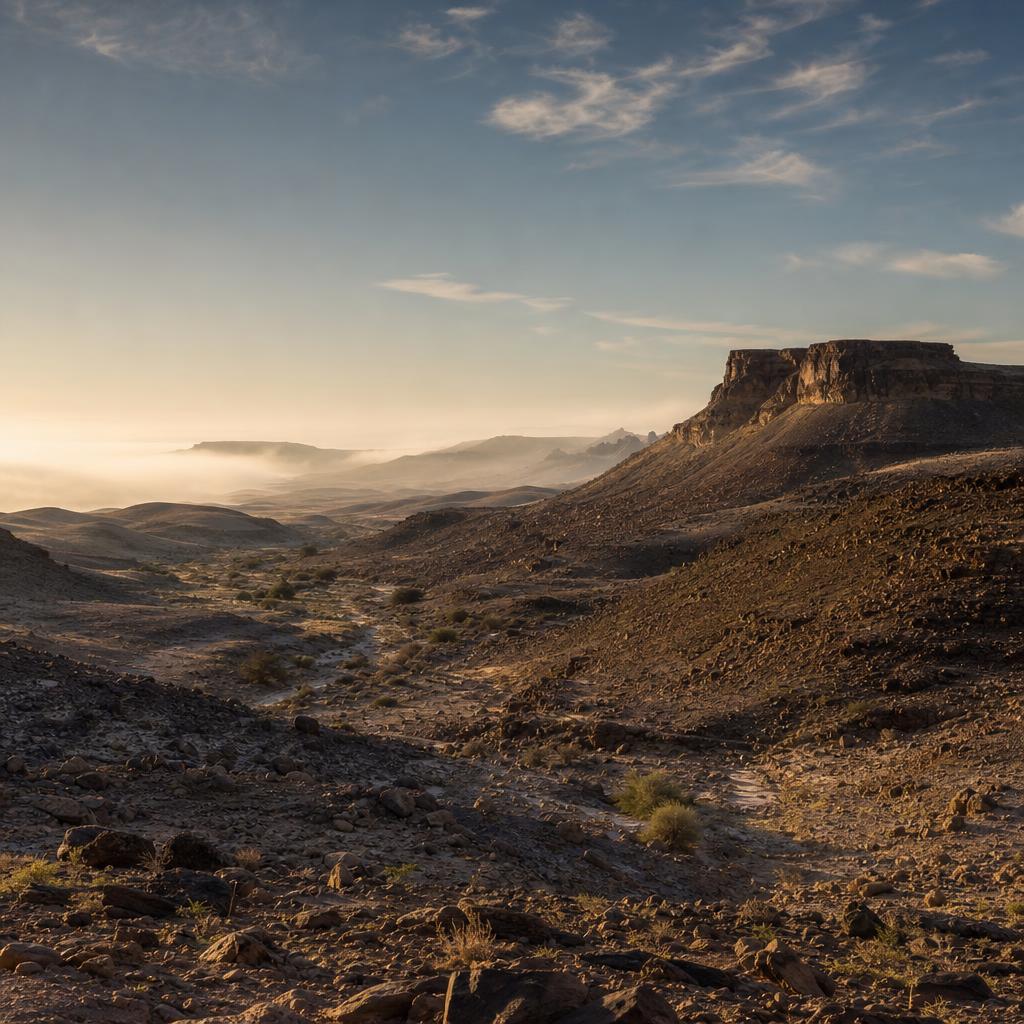
Damaraland in north-west Namibia is one of Africa's last true frontiers: a vast, ancient landscape of volcanic mountains, dry riverbeds, and silence so complete it becomes its own kind of sound. The region shelters one of the world's rarest populations of desert-adapted black rhino, tracked on foot with expert trackers across ancient volcanic terrain in an experience unlike any conventional game drive. Desert-adapted elephant, giraffe, oryx, and springbok survive in this seemingly inhospitable landscape by travelling extraordinary distances to hidden water sources. The Palmwag Concession and Damaraland Camp are operated in partnership with local Damara communities, making a stay here a direct investment in conservation and the livelihoods of people who have lived alongside these animals for generations.
10-Day Namibia Guided Safari: Sossusvlei, Swakopmund, Damaraland & Etosha
12-Day Namibia Grand Safari: Skeleton Coast, Damaraland & Etosha
Etosha National Park
Namibia
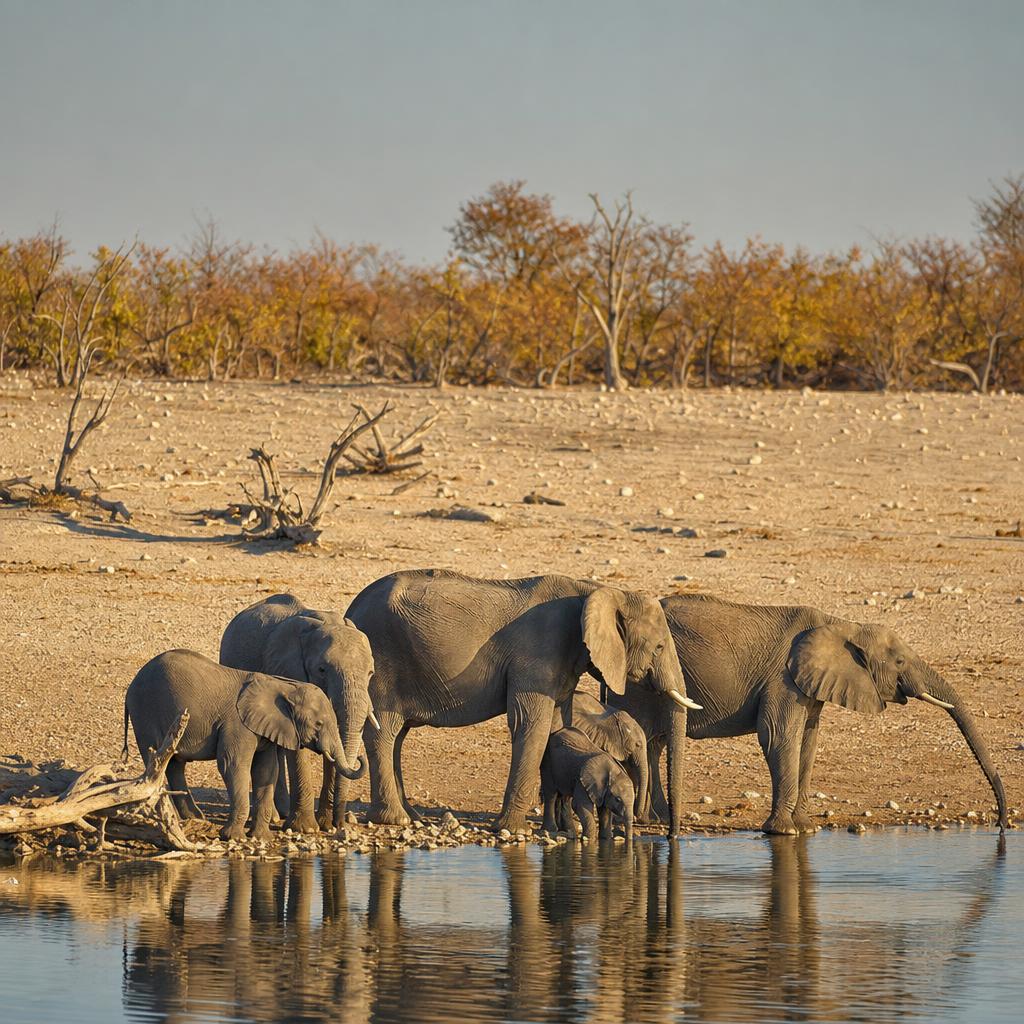
Etosha National Park is Namibia's premier Big Five destination and one of Africa's most distinctive safari environments, built around the vast Etosha Pan: a salt pan so large it is visible from space. The pan and the network of permanent waterholes fed by underground springs around its edges create a concentrated wildlife theatre unlike anything else on the continent. Lion, leopard, cheetah, black and white rhino, elephant, giraffe, zebra, and hundreds of bird species converge on the waterholes, particularly during the dry season from June to October. Etosha's floodlit waterholes, where guests watch wildlife arrive after dark from their lodge terraces, deliver one of Africa's most extraordinary nocturnal experiences: a natural spectacle requiring no vehicle and no guide, just patience and a cold drink.
10-Day Namibia Guided Safari: Sossusvlei, Swakopmund, Damaraland & Etosha
12-Day Namibia Grand Safari: Skeleton Coast, Damaraland & Etosha
Skeleton Coast & the Shipwreck Lodge
Namibia
The Skeleton Coast is one of Africa's most remote and dramatic wildernesses: a 500-kilometre stretch of Atlantic coastline where the cold Benguela Current meets the ancient Namib Desert in a landscape of shipwrecks, seal colonies, and geological formations shaped over millions of years. Named by the Bushmen the 'Land God Made in Anger,' the coast is littered with the rusting hulks of vessels wrecked on its treacherous reefs, alongside towering lichen-covered dunes that plunge directly into the surf. The resident lion prides of the Skeleton Coast, which have adapted to hunt Cape fur seals on the beach, are among the most extraordinary predator populations on Earth. Access to the northern Skeleton Coast is strictly restricted to small fly-in expeditions, making it one of Africa's most exclusive and unforgettable wilderness experiences.
10-Day Namibia Guided Safari: Sossusvlei, Swakopmund, Damaraland & Etosha
12-Day Namibia Grand Safari: Skeleton Coast, Damaraland & Etosha
Featured Namibia Safaris
10-Day Namibia Guided Safari: Sossusvlei, Swakopmund, Damaraland & Etosha
12-Day Namibia Grand Safari: Skeleton Coast, Damaraland & Etosha
8-Day Etosha & Sossusvlei Explorer
10-Day Namibia Fly-In Safari
Namibia Desert & Wildlife Safari
Skeleton Coast & Kaokoland Fly-In Safari
Parks & Regions
Lodges & Camps
Browse our hand-picked collection of lodges, tented camps, and beach properties in Namibia.
View Namibia lodgesPlan Your Namibia Safari
Our travel specialists build every trip from scratch, tailored to your dates, budget, and the wildlife moments that matter most to you.
Get a Quote