
Our guides have spent thousands of days in the bush. Here is exactly what they tell every client to bring: and what to leave behind.
The Golden Rule: Pack Light
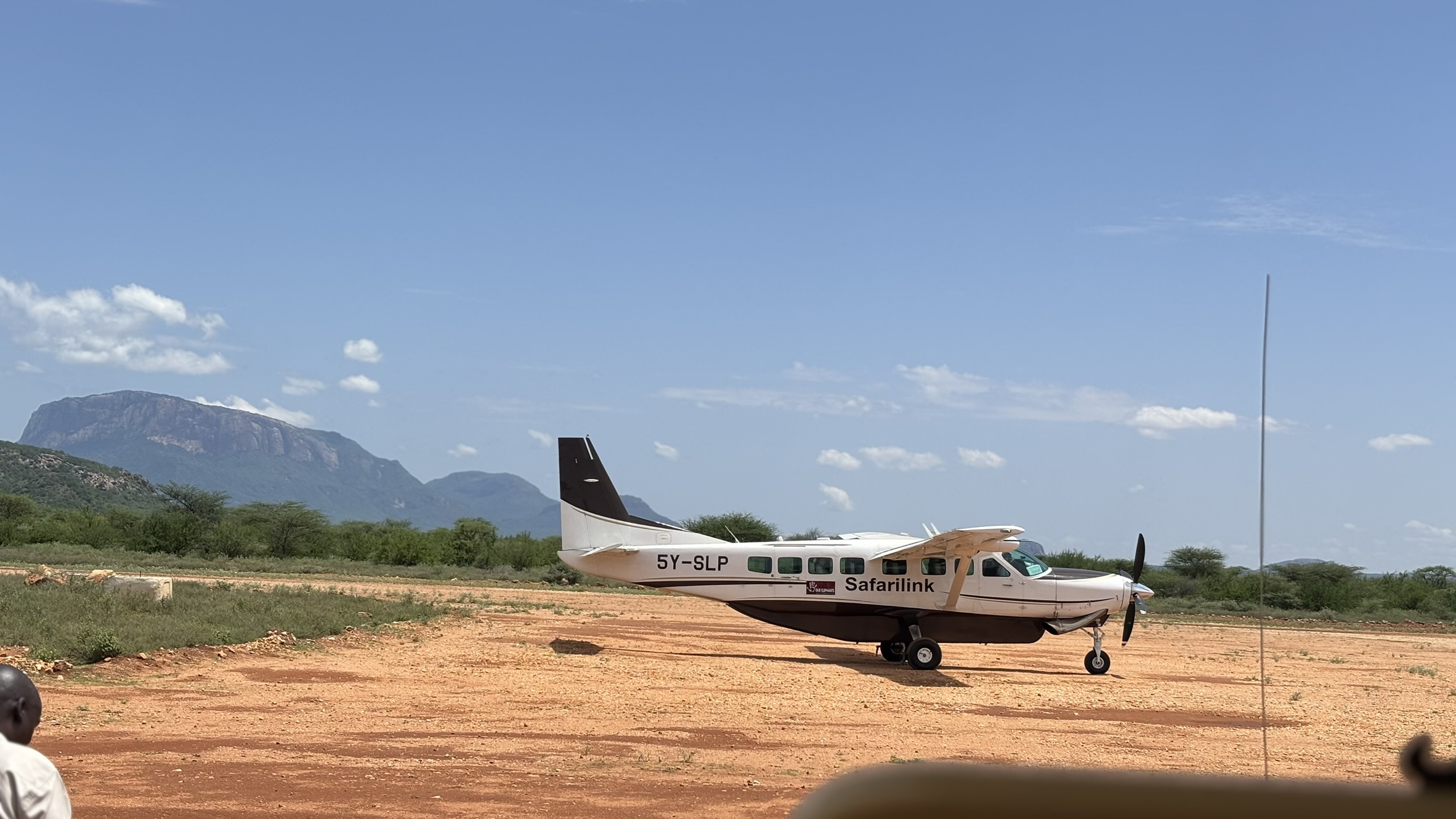
Charter flights between safari camps have strict luggage limits: typically 15kg total, in a soft-sided bag (hard suitcases don't fit in small aircraft). Everything you need for a 7–10 day safari should fit in a mid-size duffel. If you're combining safari with a city stay, leave the hard luggage at your hotel in Nairobi.
Clothing
- Neutral colours only: khaki, olive, tan, grey, white. Avoid blue and black (attract tsetse flies). Avoid bright colours, which disturb wildlife.
- 3–4 lightweight long-sleeved shirts (sun protection and insect deterrent in the evening)
- 2 pairs of lightweight trousers or safari pants
- 1 pair of shorts (for lodge downtime, not for game drives in cooler months)
- 1 warm mid-layer: mornings at altitude or in open vehicles are cold even in the tropics
- 1 light rain jacket (useful in shoulder seasons)
- Underwear (quick-dry if possible)
- Comfortable walking shoes or trail runners
- Sandals for lodge use
- Wide-brimmed hat
- Buff or neck gaiter for dusty roads
- Sunglasses: essential, not optional
Photography & Electronics
- Camera with telephoto zoom (minimum 200mm; 400mm+ for serious photography)
- Extra memory cards and batteries: no shops in the bush
- Universal power adapter (Type G in Kenya, Type D/G in Tanzania)
- Portable power bank
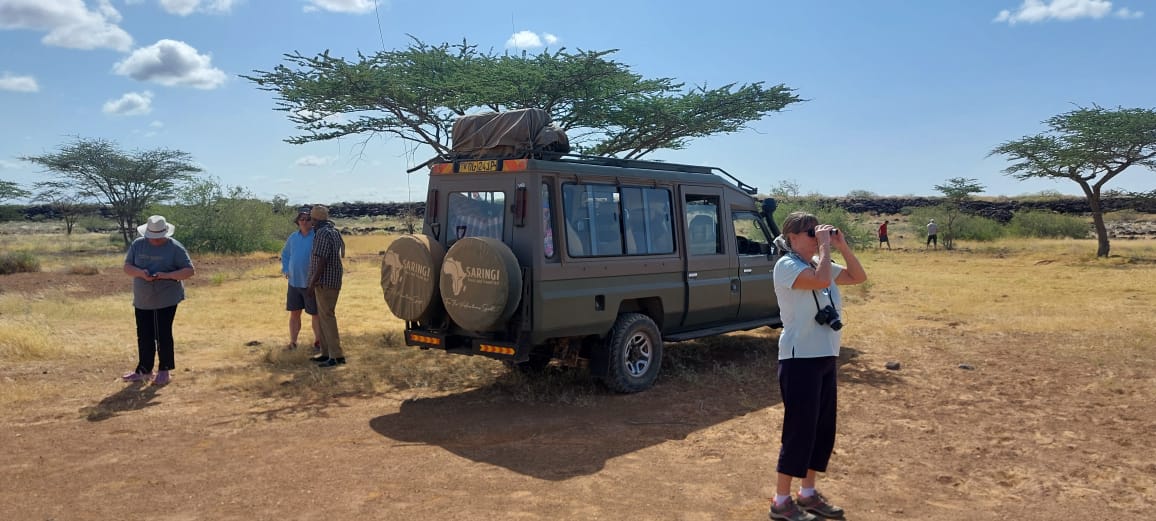
- Binoculars: 8x42 or 10x42 are ideal
- Headlamp (essential for moving around camp at night)
- Waterproof bag or dry sack for dusty or wet game drives
Health & Toiletries
- High-SPF sunscreen (50+): UV exposure in open vehicles is significant
- DEET-based insect repellent (30–50% DEET concentration)
- Malaria prophylaxis (prescribed by your doctor before departure)
- Personal prescription medications (with copies of prescriptions)
- Hand sanitiser
- Lip balm with SPF
- Lightweight towel if staying at more basic camps
- Wet wipes: invaluable on dusty game drives
Documents & Money
- Passport with at least 6 months validity beyond your travel dates
- Printed copies of your itinerary, hotel confirmations, and travel insurance
- Yellow fever vaccination certificate (required if coming from endemic countries)
- USD cash in small denominations for tips and local purchases
- Travel insurance documents (ensure it covers emergency evacuation)
What to Leave Behind
- Camouflage clothing (illegal or restricted in several African countries)
- Hard-sided luggage (impractical for bush flights)
- Excessive jewellery
- Strong perfumes or colognes (attract insects, disturb wildlife)
- Single-use plastics (many parks and lodges prohibit them)
Insider TipSaringi Tours sends every client a detailed pre-departure briefing specific to their itinerary: including health requirements, cultural notes, and weather forecast. You'll never feel underprepared.
Ready to Make It Real?
Our travel specialists will design a tailor-made itinerary around your exact dates and interests, at no obligation.
Get a Free Quote