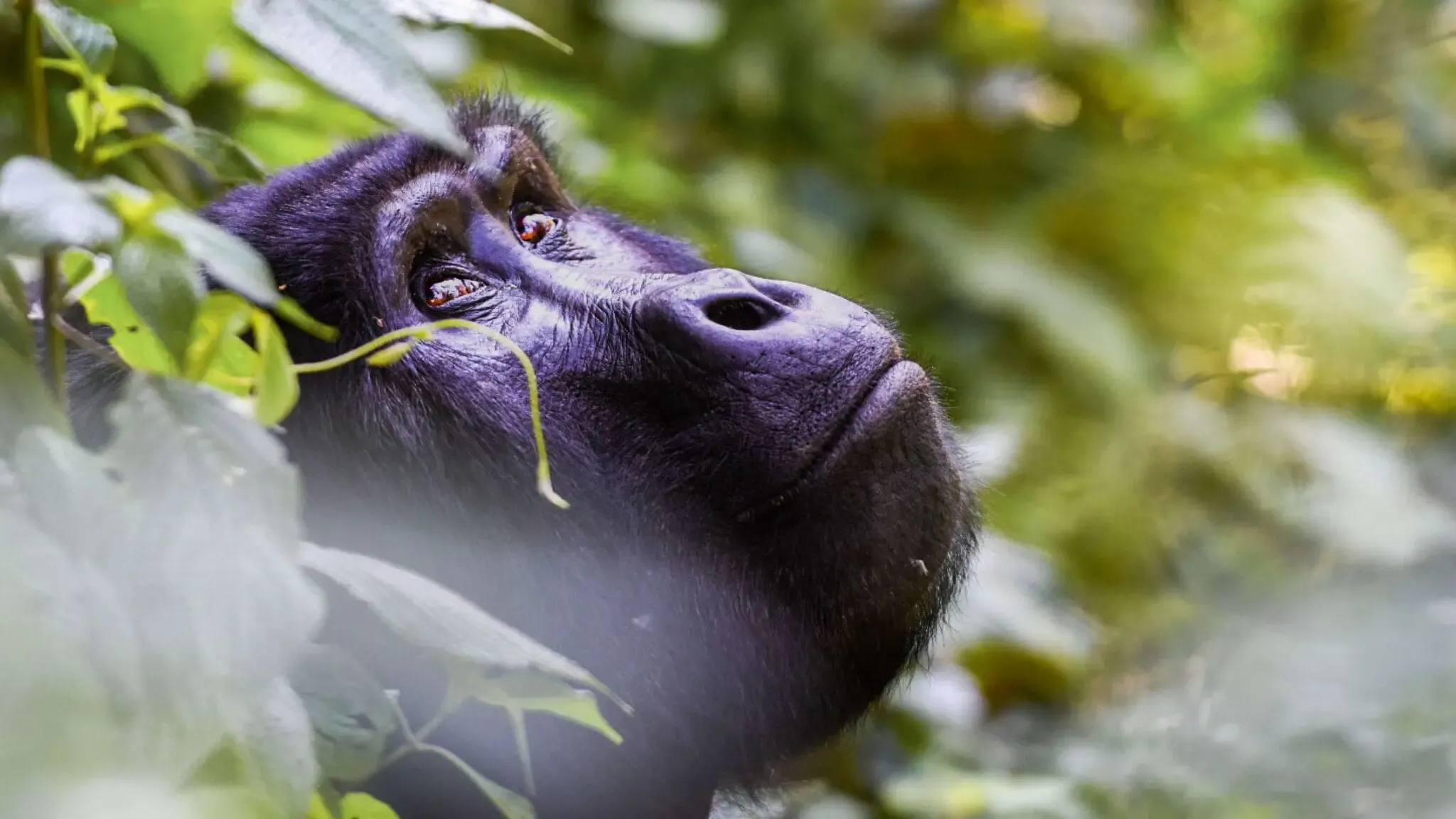
Spending one hour with a family of wild mountain gorillas is, without exaggeration, a life-changing experience. Here is everything you need to know before you go.
Why Rwanda?
Rwanda's Volcanoes National Park is the original home of gorilla trekking, made famous by the conservationist Dian Fossey. The park shelters roughly a third of the world's remaining mountain gorilla population: currently around 400 individuals across multiple habituated family groups.
Rwanda has invested heavily in both conservation and tourism infrastructure. The approach roads, ranger teams, and lodge standards are exceptionally high: making it the most polished gorilla trekking experience available. Uganda offers a more rugged alternative; Rwanda offers the premium version.
The Permit
A gorilla trekking permit in Rwanda costs USD 1,500 per person. This may sound steep: but 80% of the fee goes directly to community development and conservation. Rwanda has seen gorilla numbers increase every year since the permit system began. It is one of the most effective conservation funding models on the planet.
Permits must be booked well in advance. Peak months (June–September and December–January) sell out months ahead. Saringi Tours handles permit procurement as part of your package: you simply arrive.
The Trek Itself
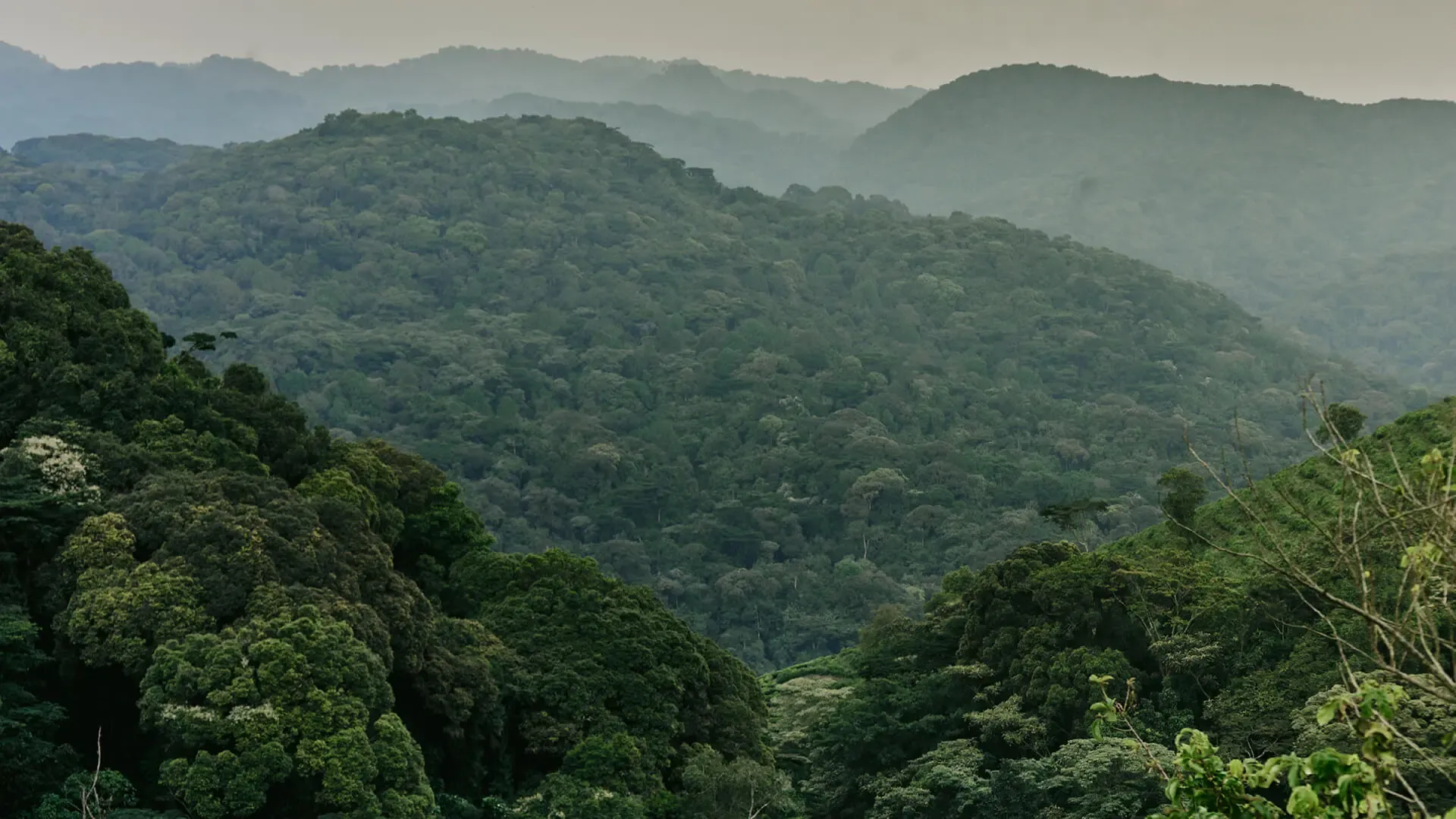
Trekking time varies by group and gorilla family location. It ranges from 30 minutes to 4–5 hours of hiking through bamboo forest and volcanic slopes. The average is 2–3 hours of hiking each way. Rangers use radio communication to track the gorillas' position the morning of your trek, so the starting brief at 7am tells you which family you've been assigned.
The terrain is genuinely challenging in places: wet, steep, and thick with vegetation. A reasonable level of fitness is required. Porters are available for hire at the trailhead (USD 10–15 tip recommended) and they genuinely help: carrying bags, steadying you on steep sections, and adding to the local community income.
The One Hour
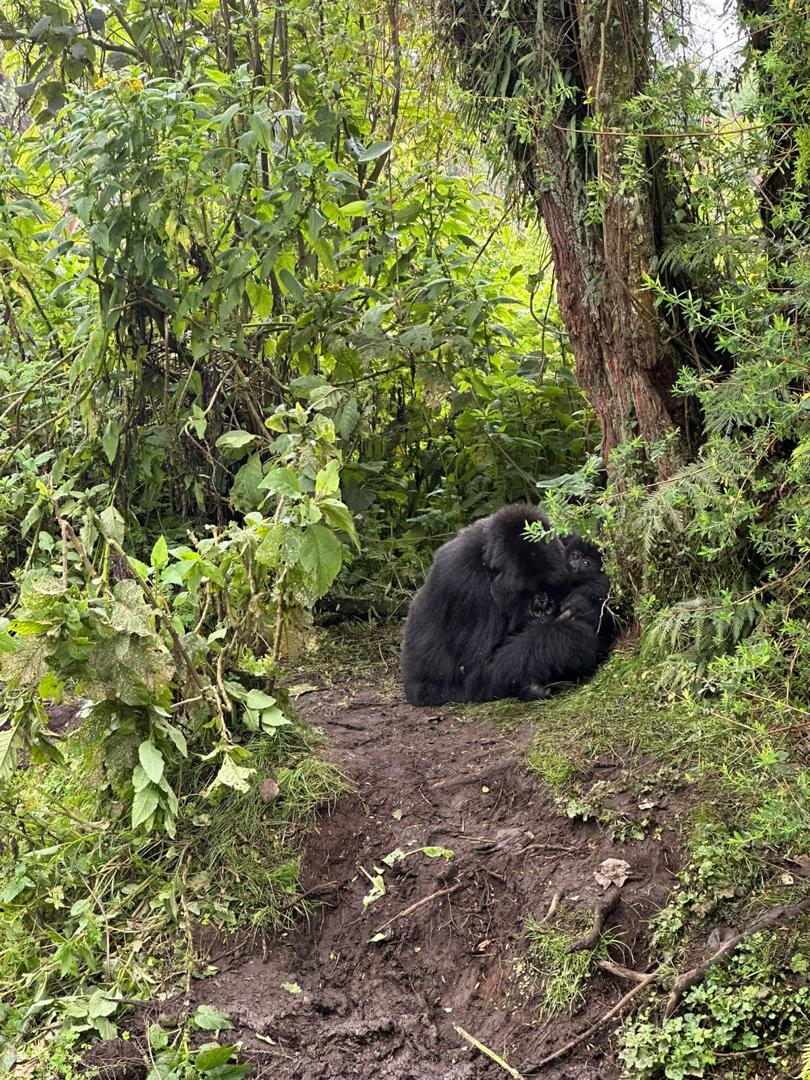
Upon encountering the gorilla family, you have exactly one hour with them. This rule is strictly enforced to minimise stress on the animals. Your ranger will brief you on behaviour: stay 7 metres away, no flash photography, no eating or drinking in front of them, and if a silverback charges: crouch down and look away.
In practice, the gorillas often approach you. Juveniles are endlessly curious and may wander within arm's reach. A silverback may glance at you with a gaze so intelligent and familiar it stops your breath. Almost every client we have taken gorilla trekking describes the experience as the most profound wildlife encounter of their lives.
What to Wear and Bring
- Long-sleeved shirt and full-length trousers (to protect against stinging nettles and insects)
- Sturdy waterproof hiking boots: ankle support matters on wet volcanic soil
- Lightweight rain jacket: Volcanoes NP is frequently misty
- Gardening gloves (optional but useful for gripping vegetation on steep climbs)
- At least 1.5 litres of water
- Camera with good low-light performance: the forest canopy reduces light significantly
- Insect repellent
Combining with Kenya or Tanzania
Most international travellers combine a Rwanda gorilla trek with a Kenya wildlife safari or Tanzania northern circuit: arriving via Nairobi (2-hour flight to Kigali) and looping through multiple ecosystems in one journey. Saringi Tours specialises in exactly these multi-country itineraries, handling logistics seamlessly across borders.
Insider TipBook your gorilla permit the moment your travel dates are confirmed. For July–September, 6–9 months lead time is not excessive.
Ready to Make It Real?
Our travel specialists will design a tailor-made itinerary around your exact dates and interests, at no obligation.
Get a Free Quote