November through May is East Africa's most underestimated safari window. Fewer vehicles, lower rates, a lush landscape and some of the year's finest wildlife moments. Here is exactly what each month delivers.
The Case for Travelling Outside Peak Season
July, August and September dominate the safari conversation, and for good reason. The Great Migration river crossings in the Maasai Mara are extraordinary. But the months that surround peak season are not a lesser version of the same experience. They are often a genuinely different, and in several ways better, version of it.
November, December, January, February, March, April and May each carry their own character. Wildlife is present year-round in East Africa's finest parks. What changes is crowd density, camp rates, the landscape, and the specific species behaviour you encounter. Understanding what each month delivers is the key to timing your trip correctly.
November 2026: The Short Rains Arrive, and So Does the Opportunity
November marks the start of East Africa's short rains: brief, typically afternoon showers that last one to three hours and rarely disrupt a morning game drive. The landscape responds quickly. The Maasai Mara turns a vivid green, dust settles, and the light becomes softer and more photogenic than at any other time of year.
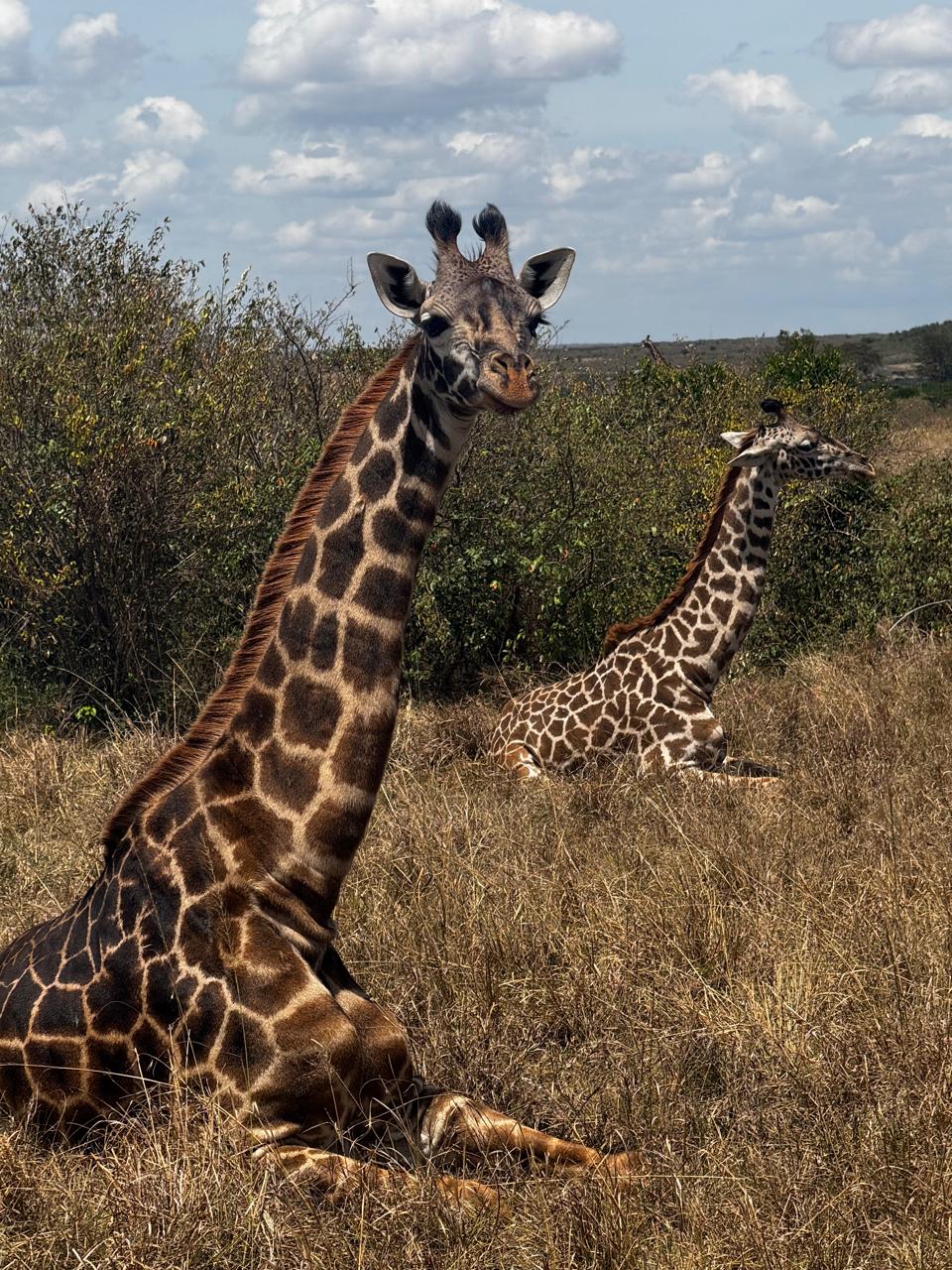
The wildebeest herds have moved south into Tanzania by now, but the resident wildlife is no less impressive. Lion prides are active and hunting; leopard sightings increase as shorter dry-season grass gives way to mixed cover; and elephants, buffalo and giraffe move freely through the newly green plains. Camps are quieter, rates soften noticeably, and you are far more likely to have a game drive largely to yourself.
In Amboseli, November is particularly rewarding. The clouds that sometimes obscure Kilimanjaro during July and August often clear in November, and the combination of the mountain on the horizon and large elephant herds on the open plains is one of the most iconic scenes in Africa. Fresh green vegetation draws the elephants out in numbers.
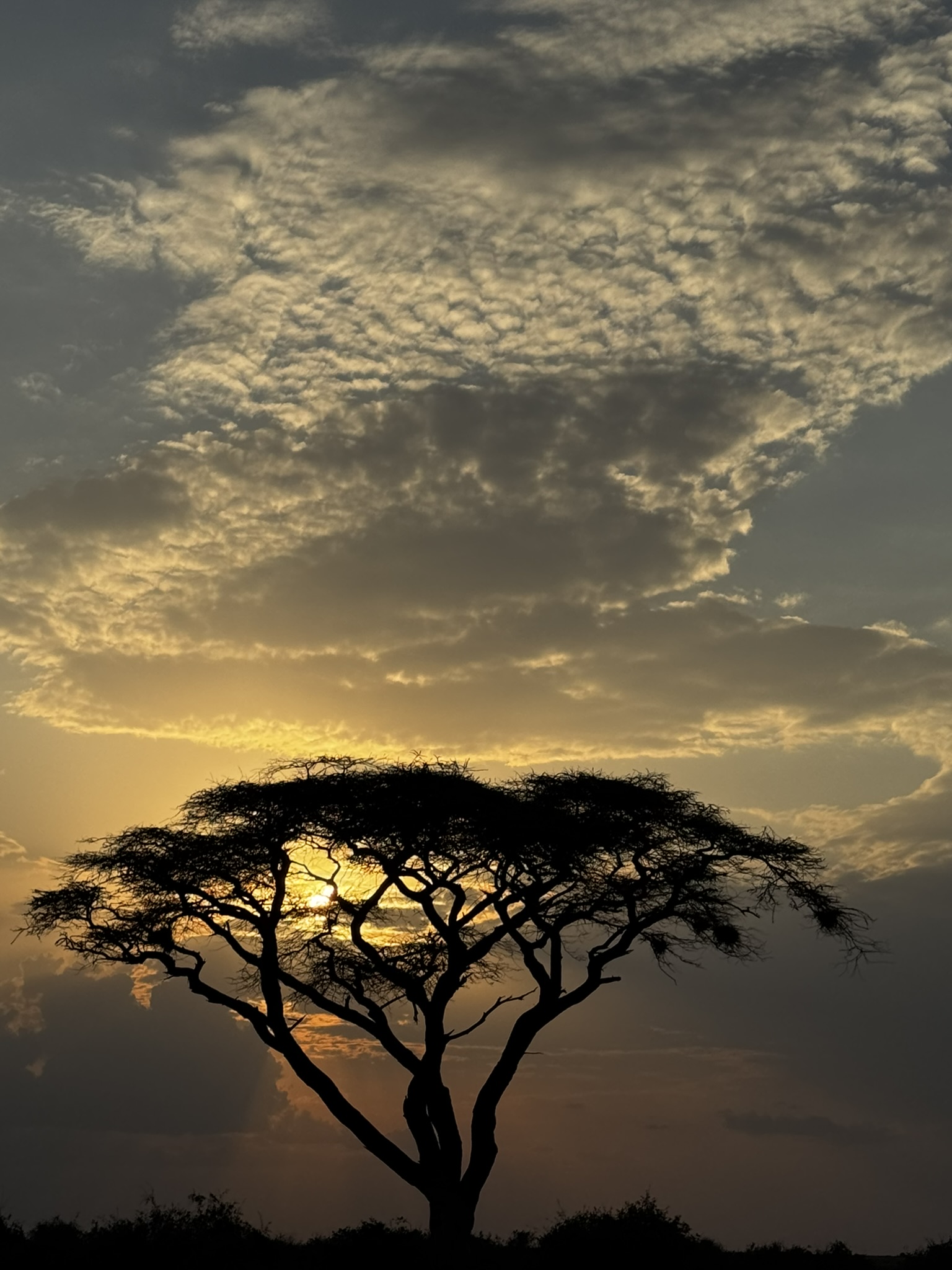
December 2026 & the New Year: Safari at Its Most Festive
December is quietly one of the best months to safari in East Africa, and one of the least appreciated. The short rains begin tapering off, leaving a lush landscape and excellent wildlife visibility. Camps are quieter and more affordable for the first three weeks of the month, before briefly filling with festive-season travellers for Christmas and the New Year.
For families, December works exceptionally well. School holidays align, the weather is warm without being harsh, and the combination of a Kenya safari with a few nights at Diani Beach, or Tanzania with Zanzibar, makes for a genuinely special festive trip. Game viewing in Amboseli, the Maasai Mara, Samburu and Laikipia is reliably excellent throughout the month.
In Tanzania's Serengeti, December marks the beginning of something extraordinary. The wildebeest herds are moving south toward the Ndutu region in the south, and by late December the first calves begin appearing. The calving season, arguably the most dramatic predator spectacle in the world, is already starting to build.
A booking note: the festive window from 20 December to 5 January carries peak-season rates at most premium camps. If budget is a consideration, the first two weeks of December offer excellent value for essentially the same experience.
January & February 2027: Wildlife at Its Most Dramatic
January and February are, in our view, the most undervalued months on the East Africa safari calendar. The short rains have ended; the landscape remains green and beautiful; and wildlife viewing across Kenya and Tanzania is exceptional.
The calving season in the southern Serengeti's Ndutu region reaches its peak in January and February. Approximately 500,000 wildebeest calves are born in a three-week window, drawing every major predator in the ecosystem. Lions, cheetahs, wild dogs, hyenas and jackals converge on the calving grounds in the greatest concentration of predator activity to be found anywhere on earth at any time of year. For wildlife enthusiasts, this is genuinely unmissable.
In Kenya, January and February are excellent for the Maasai Mara's resident wildlife. The park is at its most peaceful: serious game-viewing country with a fraction of July's crowd. Amboseli is outstanding, the short rains have produced lush vegetation and Kilimanjaro is often perfectly clear on January mornings. Samburu's arid landscape rewards visitors year-round.
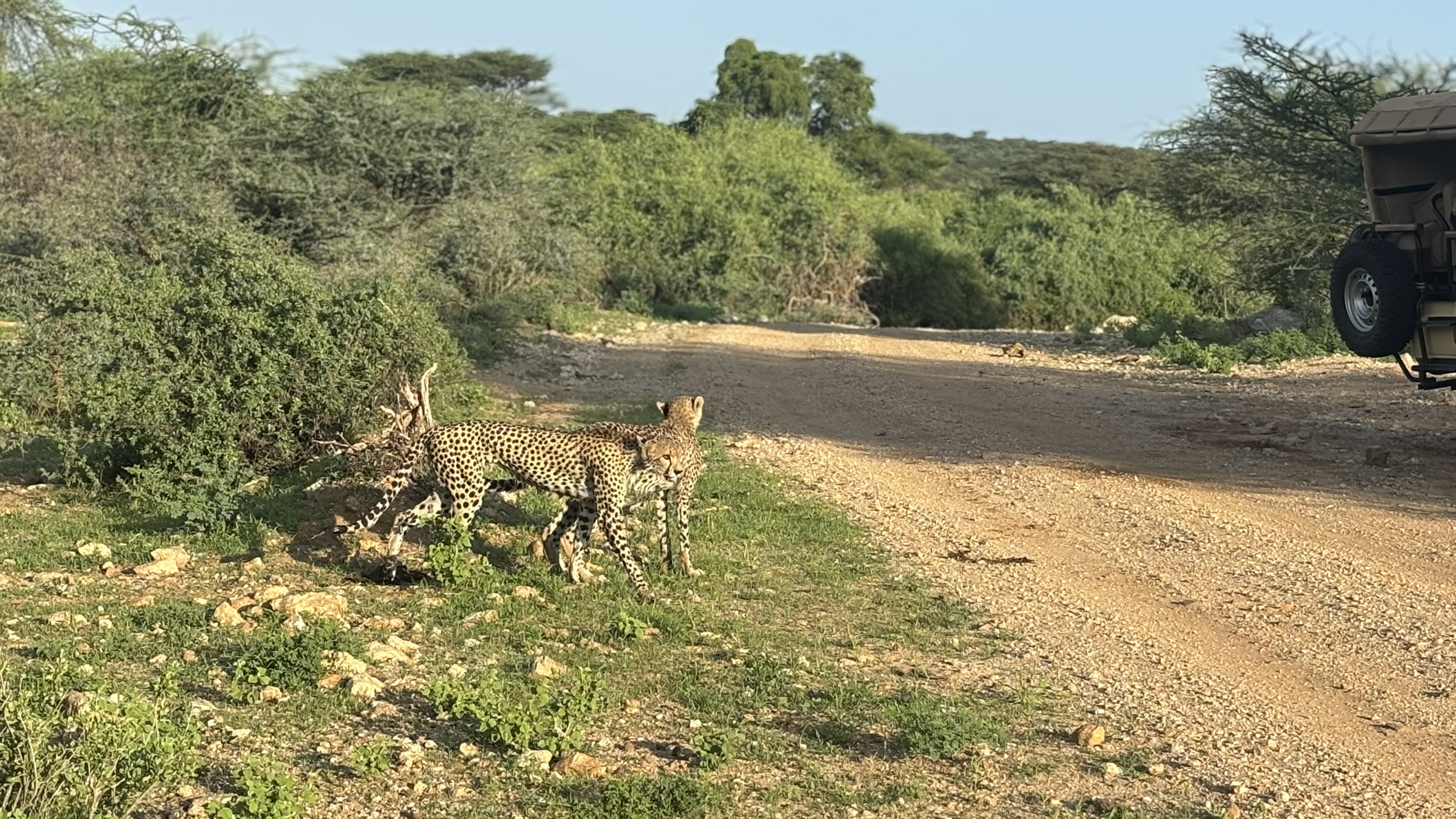
March, April & May 2027: The Green Season Advantage
East Africa's long rains (March to May) are the safari industry's best-kept secret. The landscape is at its most dramatic: rolling green plains, full waterholes, verdant acacia forest and skies filled with the kind of dramatic cloud formations that make every photograph look like it was planned. For photographers, the green season is not just good, it is irreplaceable.
Camp occupancy drops significantly in March through May. The finest luxury lodges in the Mara, Serengeti and Rwanda's Volcanoes National Park offer rates 20 to 40 percent below their peak-season pricing. Gorilla trekking permits, often booked months in advance during peak season, are far more readily available. The trails in Volcanoes National Park and Bwindi can be wet and steep, but the gorilla families are as accessible and extraordinary as ever.
Wildlife does not disappear in the long rains. Game viewing remains strong across all of East Africa's major parks, the animals simply disperse more widely as water becomes abundant everywhere. For those willing to trade a little predictability for a lot of beauty, and significant savings, the green season is one of the best decisions a safari traveller can make.
Month-by-Month Park Highlights
- November 2026: Amboseli (Kilimanjaro clear, elephants on green plains), Maasai Mara (resident wildlife, lush landscape, quiet camps), Samburu (reliable year-round, rare special species)
- December 2026: Maasai Mara (festive season, excellent game), Amboseli (outstanding all month), Serengeti Ndutu (calving begins, predators concentrating), Zanzibar & Diani Beach (ideal beach extension)
- January 2027: Serengeti Ndutu (peak calving season, extraordinary predator activity), Amboseli (Kilimanjaro clear, elephant herds), Maasai Mara (peaceful, resident Big Five)
- February 2027: Serengeti Ndutu (calving peak, cheetah, lion, wild dog), Maasai Mara (quiet and excellent), Amboseli (superb elephant and Kilimanjaro views)
- March 2027: Maasai Mara (rains begin, green and beautiful), Gorilla trekking Rwanda & Uganda (excellent availability, lush forest), Lake Nakuru & Naivasha (spectacular birdlife)
- April & May 2027: Green season at its peak across Kenya and Tanzania; best rates of the year; gorilla permits available; photography at its finest; Serengeti herds beginning their move north
Planning Your Trip: Timing and Booking
For the festive window, late December to early January, book at least four to six months in advance. The finest camps fill for Christmas and New Year, and those positioned on the Mara River or within private conservancies have very limited availability.
For November, January and February, two to three months' notice is generally sufficient for most itineraries, though specific premium properties book earlier. For March through May, the green season is far more accessible, some itineraries can be planned in four to six weeks. That said, more time allows us to secure the best room categories and design a more considered programme.
Insider TipThe travellers who are most surprised, and most delighted, tend to be those who visited in November, January or the green season. They expected a compromise. Instead, they found their own version of the Mara: without a vehicle in sight. If any of these months align with your schedule, get in touch. We would love to build something around them.
Ready to Make It Real?
Our travel specialists will design a tailor-made itinerary around your exact dates and interests, at no obligation.
Get a Free Quote