The Maasai Mara is extraordinary in every season: but timing your visit right makes the difference between a good safari and an unforgettable one.
The Short Answer
The Maasai Mara is at its most dramatic between July and October, when more than 1.5 million wildebeest, zebra and gazelle thunder across the Mara River in the world's greatest wildlife spectacle: the Great Migration. If witnessing a river crossing is on your bucket list, this is your window.
That said, the Mara rewards year-round visits. Our guides have led awe-inspiring drives in every month of the calendar: because great wildlife doesn't follow a script.
Month-by-Month Breakdown
January – February (Dry & Warm): Excellent game viewing. The resident wildlife is concentrated around water sources, and the grass is short: ideal for spotting predators. Visitor numbers are lower than peak season, meaning you get the bush more to yourself. This is also calving season in the Serengeti, which draws big cats southward.
March – May (Long Rains): The landscape turns a lush, cinematic green. River crossings are unlikely during this period, but the bird life explodes with migratory species, and luxury camps offer their most competitive rates of the year. For photographers, the light in the green season is extraordinary.
June (Shoulder): The rains ease and wildlife starts concentrating. A wonderful month: the herds begin arriving from the Serengeti and game viewing builds with each passing week. Quieter than July–August.
July – October (Peak Migration): The pinnacle. Enormous herds push north into the Mara, and the famous river crossings: where crocodile-filled water separates the animals from fresh grazing: happen multiple times a week. Camps fill quickly; book 9–12 months in advance for this window.
November – December (Short Rains): Brief afternoon showers that rarely disrupt game drives. Camps are quieter, prices soften, and the Mara is stunningly lush. An underrated time to visit.
Which Camp Location Matters
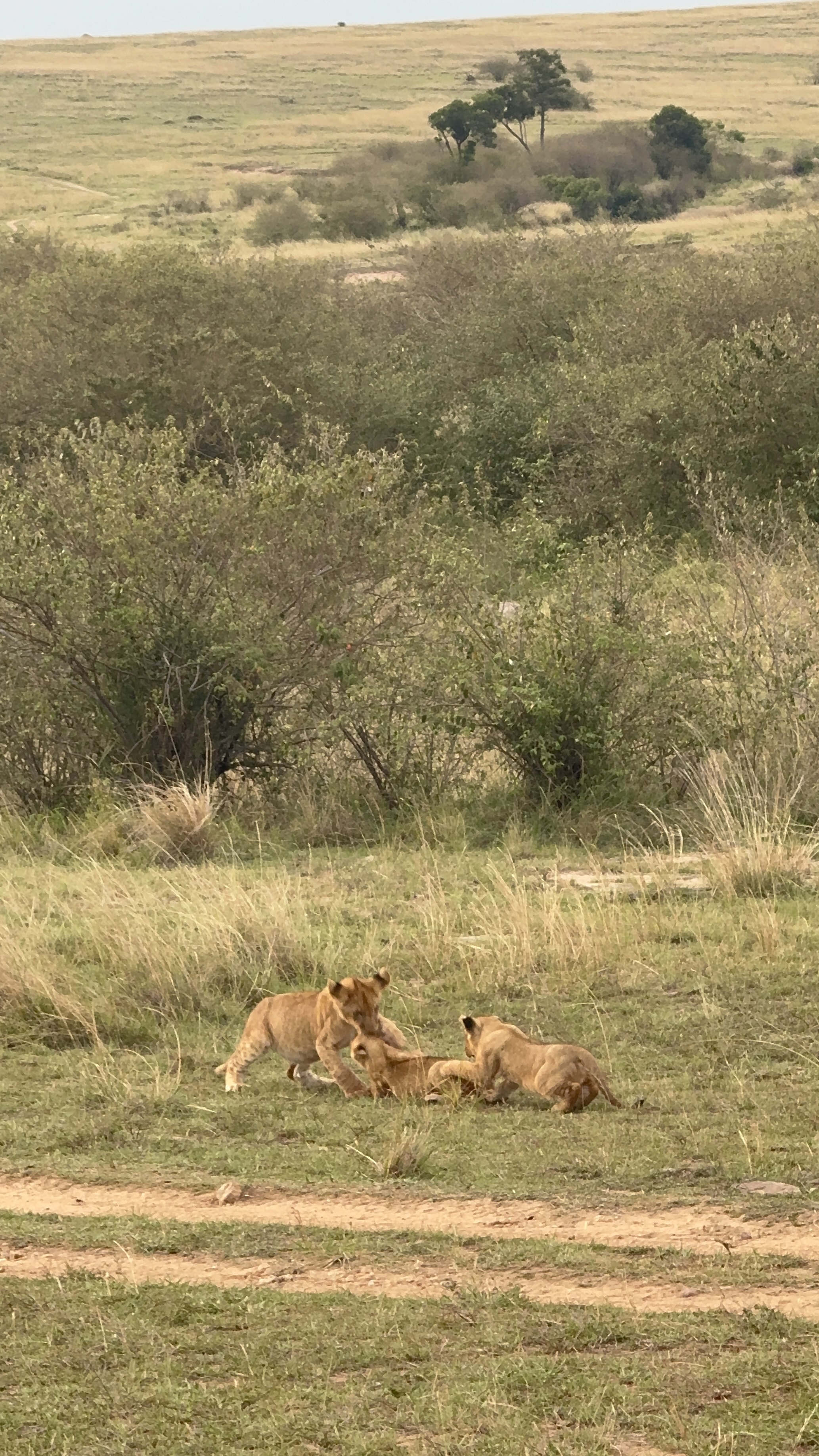
The Mara is vast. Camps in the Mara Triangle (west side) are positioned closest to the most dramatic river crossing points. Camps in the central or eastern Mara offer excellent resident wildlife: lion, leopard, elephant, buffalo: with less competition for sightings.
Saringi Tours works with hand-picked camps across all zones. We match you to the right location based on your travel dates and priorities.
Practical Advice
- Book peak season (July–October) 9–12 months ahead: top camps sell out fast.
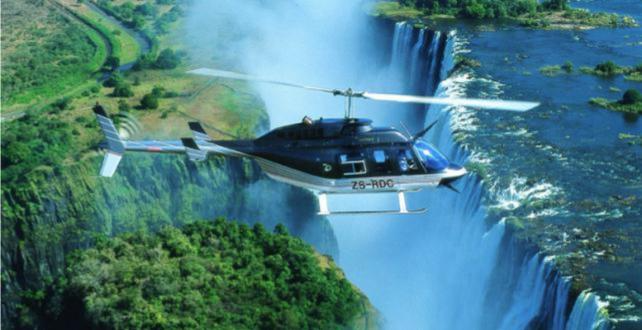
- Fly-in safaris from Nairobi take 45 minutes and are highly recommended over long road transfers.
- Add Amboseli or Samburu before or after the Mara for a multi-ecosystem experience.
- The minimum meaningful stay in the Mara is 3 nights; 4–5 nights is ideal.
- Carry a long lens (200mm+) for photography: and expect the unexpected.
Insider TipA Saringi Tours insider tip: the best river crossing sightings often happen early morning (6–9am). Always ask your guide to position near an active crossing point the night before.
Ready to Make It Real?
Our travel specialists will design a tailor-made itinerary around your exact dates and interests, at no obligation.
Get a Free Quote